Spec-Driven Engineering: Replacing Flaky Unit Tests with LLM-as-a-Judge Evals — How Does It Work in Production?
Why deterministic behavioral rubrics and Conductor track gates outperform brittle string assertions in AI-native systems.
Daily dispatches from Bicara IT (bicarait.com) and articles from my Medium.

Why deterministic behavioral rubrics and Conductor track gates outperform brittle string assertions in AI-native systems.

Deconstructing skill manifests, declarative tool routing, and multi-agent context isolation across CLI harnesses.

Eliminating daily Docker rebuilds by mounting GCS buckets directly into Cloud Run with gRPC metadata caching.

Today's high-signal morning briefing (2026-09-18) breaks down How Embedded Evaluators Could Monitor Frontier AI, Ant Group Released a Finance-Focused Model, and what these shifts mean for production latency and software architects.

An architectural retrospective on Geoffrey Hinton’s Nobel Prize, the long winter of neural networks, and what enterprise architects can learn from scientific conviction.

Designing least-privilege IAM, egress firewalls, and Accidental Data Loss Prevention (ADLP) interceptors for autonomous tools.

How AST parsing and deterministic graph layout algorithms convert live repositories into interactive SVG topologies.

Step-by-step FinOps migration blueprint from logical active/long-term bytes to physical compressed storage with time-travel tuning.

Today's high-signal morning briefing (2026-09-17) breaks down Claude Cowork and chat are now one Claude, OpenAI Expanded ChatGPT Ads with AI Agents, and what these shifts mean for production latency and software architects.

Under the hood of 3D spatial reconstruction pipelines and WebGL shader optimization in bilawalsidhu/gods-eye-view.

Production patterns for caching massive system prompts, RAG corpora, and multi-turn conversation prefixes in Gemini.

Today's high-signal morning briefing (2026-09-16) breaks down Who Gets to Define the Rules for AI?, Augmented Lagrangian Predictive Coding, and what these shifts mean for production latency and software architects.
We are moving past the era of generic chatbots. It’s time to build systems that actually know you, work for you, and respect your boundaries.

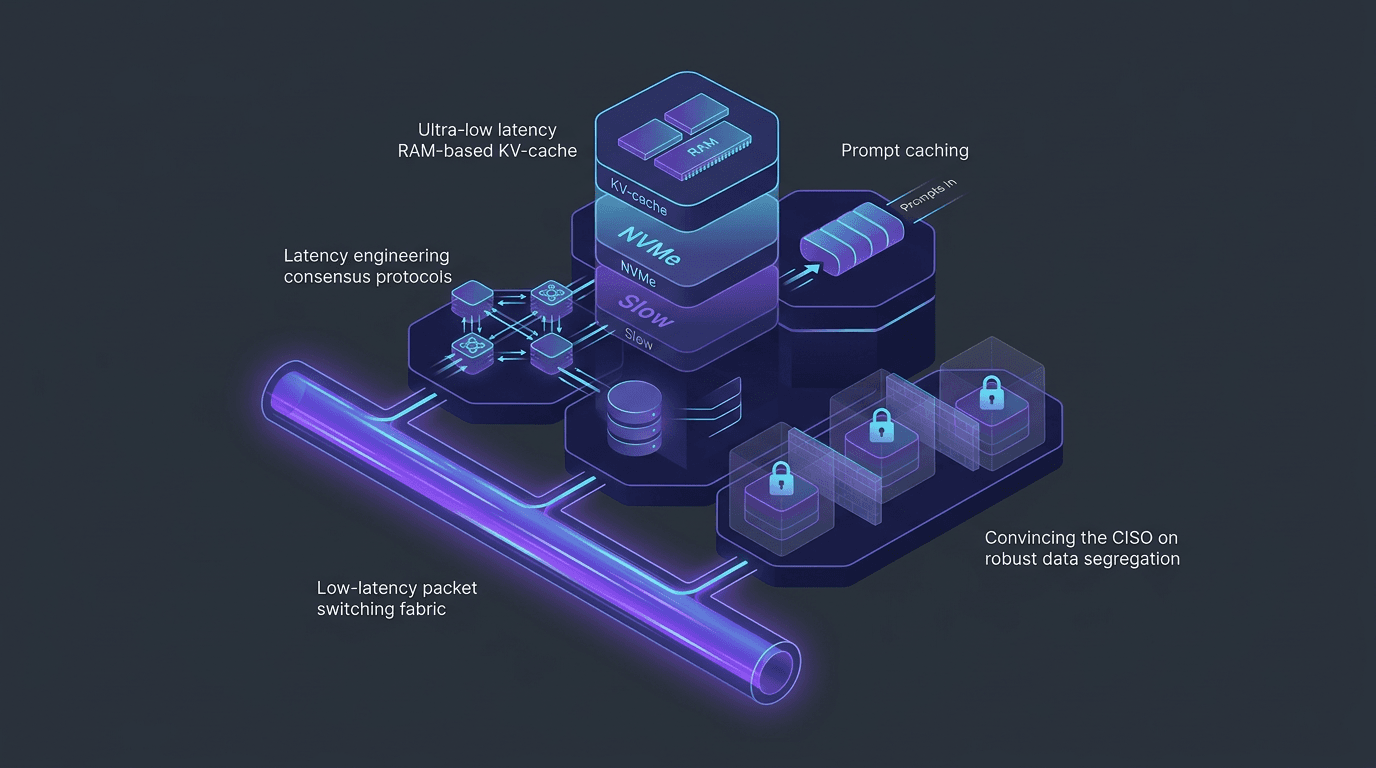
First-principles systems design on latency engineering, prompt caching, and convincing the CISO on data isolation.

How Pydantic AI brings FastAPI-grade type safety, dependency injection, and structured validation to production LLM agents.

Deep-dive into enterprise agent governance, Vertex AI grounding, and zero-cold-start Cloud Run serverless deployment.

Today's high-signal morning briefing (2026-09-15) breaks down A cache hit is not proof that you skipped the work, AI researchers debate how close we are to recursive self-improvement, and what these shifts mean for production latency and software architects.
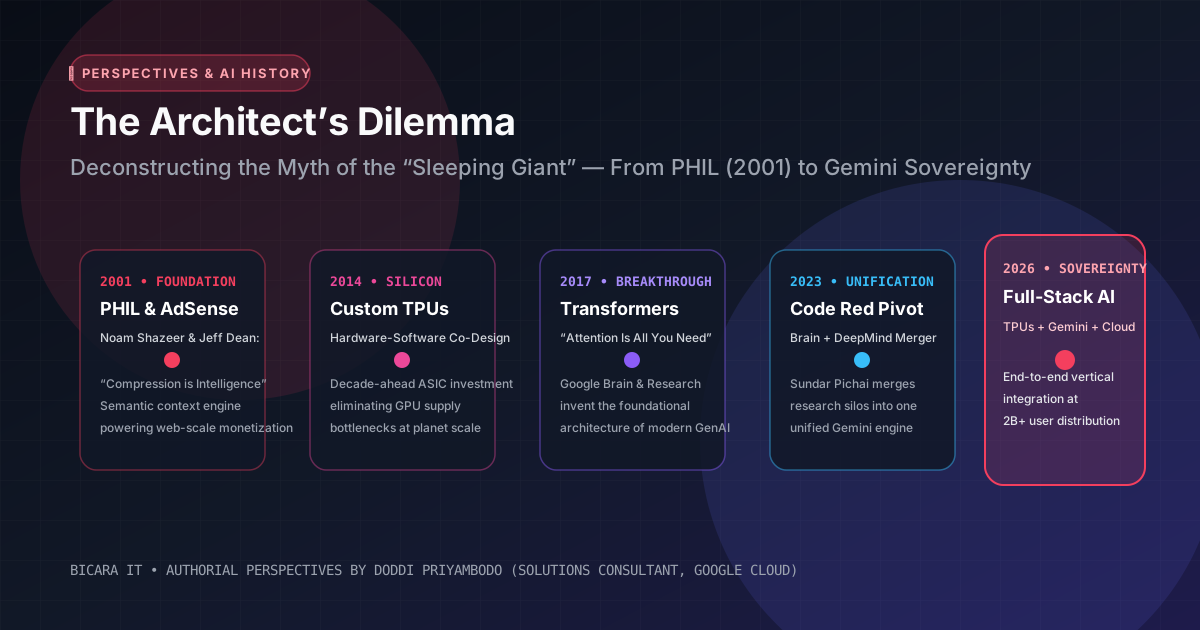
Why the narrative that Google was caught asleep by the AI wave is a convenient fiction—and how a 25-year arc from Noam Shazeer's 2001 PHIL project to TPUs, Transformers, and Gemini solved the ultimate Innovator's Dilemma.
Why lease a luxury penthouse year-round just to sleep there on weekends? Google Cloud Run now supports NVIDIA L4 GPUs with true scale-to-zero economics, eliminating the costly idle-GPU penalty for AI microservices.
In the era of autonomous coding agents, raw syntax generation is solved. The true bottlenecks are ambiguous requirements, unsanctioned tool blast radius, and unverified mock data. Here is the 6-stage architecture for engineering-grade AI software development.
Why throw $35,000 NVIDIA H100 GPUs at inference bottlenecks when 70% of your memory sits idle? Here is an architectural deep-dive into vLLM's PagedAttention, virtual memory block tables, and chunked prefill mechanics.
Why use an 80-car freight train to deliver an interoffice memo? Google's new Gemini 3.8 Flash delivers sub-100ms time-to-first-token and 99.4% tool-calling accuracy, collapsing multi-turn autonomous agent loops from minutes to seconds.

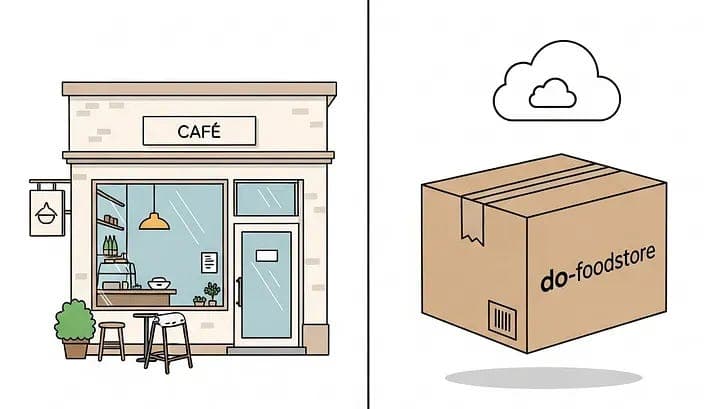
How I’m Using Google Cloud’s Enterprise Landing Zone Blueprints to Build a Scalable E-Commerce Retail Business from Day OneA step-by-step architectural journey ...

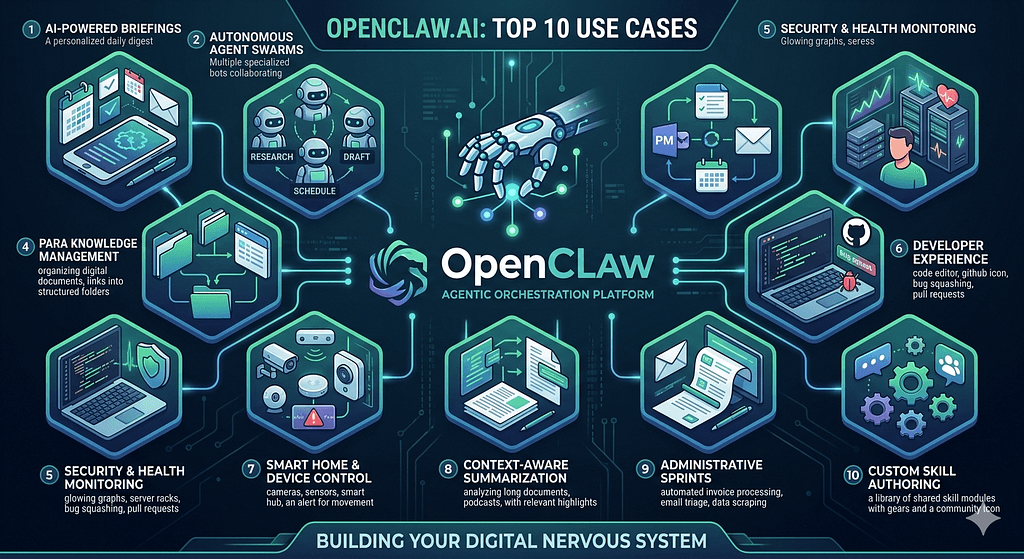
How OpenClaw.ai is Redefining Personal Productivity: 10 Popular WorkflowsIn my previous post, I introduced OpenClaw, a platform designed to bridge the gap betwe...

Let’s be clear about how most of us use AI today: we are renting brains. We type our most sensitive ideas, health data, and daily tasks into a browser tab, hit ...

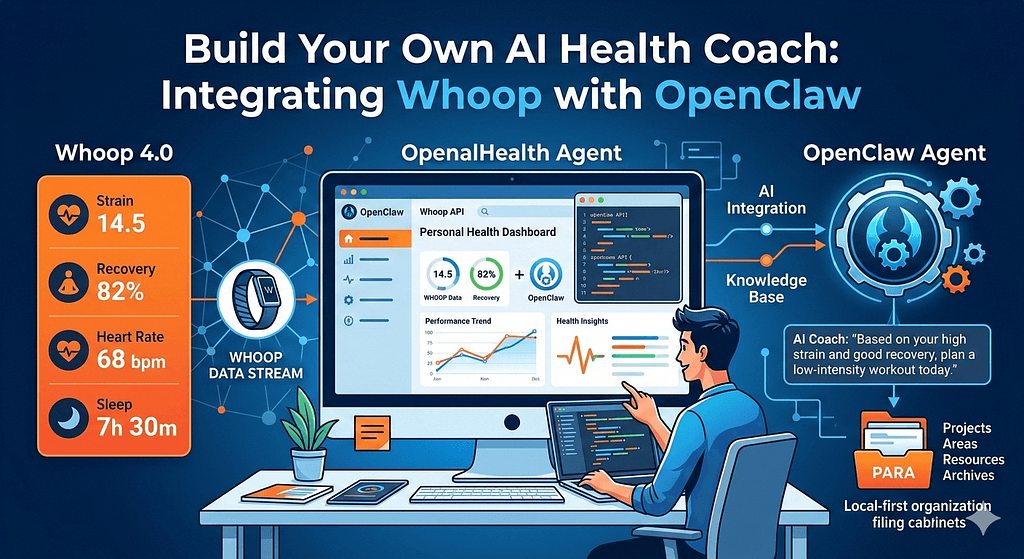
We are drowning in data but starving for wisdom.If you’re a wearable user like me — strapped into a Whoop, an Apple Watch, a Fitbit, or a Garmin — you know the ...

How Google built the foundation for modern AI, navigated the ultimate Innovator’s Dilemma, and engineered the loop to own the future.It is the story of the “Sle...

We’ve already explored how tools like Gemini CLI and Gemini Code Assist can revolutionize our development journey in our previous post, making it more effective...
Imagine having an AI assistant that understands your code, helps you manipulate files, executes commands, and even troubleshoots dynamically — all from your fam...

So, this week a new model from xAI, Grok 4, is making headlines with a high score on a leaderboard, previously it was OpenAI, Deepseek, Anthropic, then Google, ...

Revolutionizing Retail Media Content with Agentic AI. (Part 1: An Architectural Overview for Innovation)After writing a provocative article with the title: “Is ...

my story published at Google Cloud official blog: “Is Your IT Job Safe? The 3 Google Cloud Skills You Can’t Afford to Ignore in the AI (& Data) Era”Please o...